Random Wheels Have A Surprisingly Long History In Human Entertainment
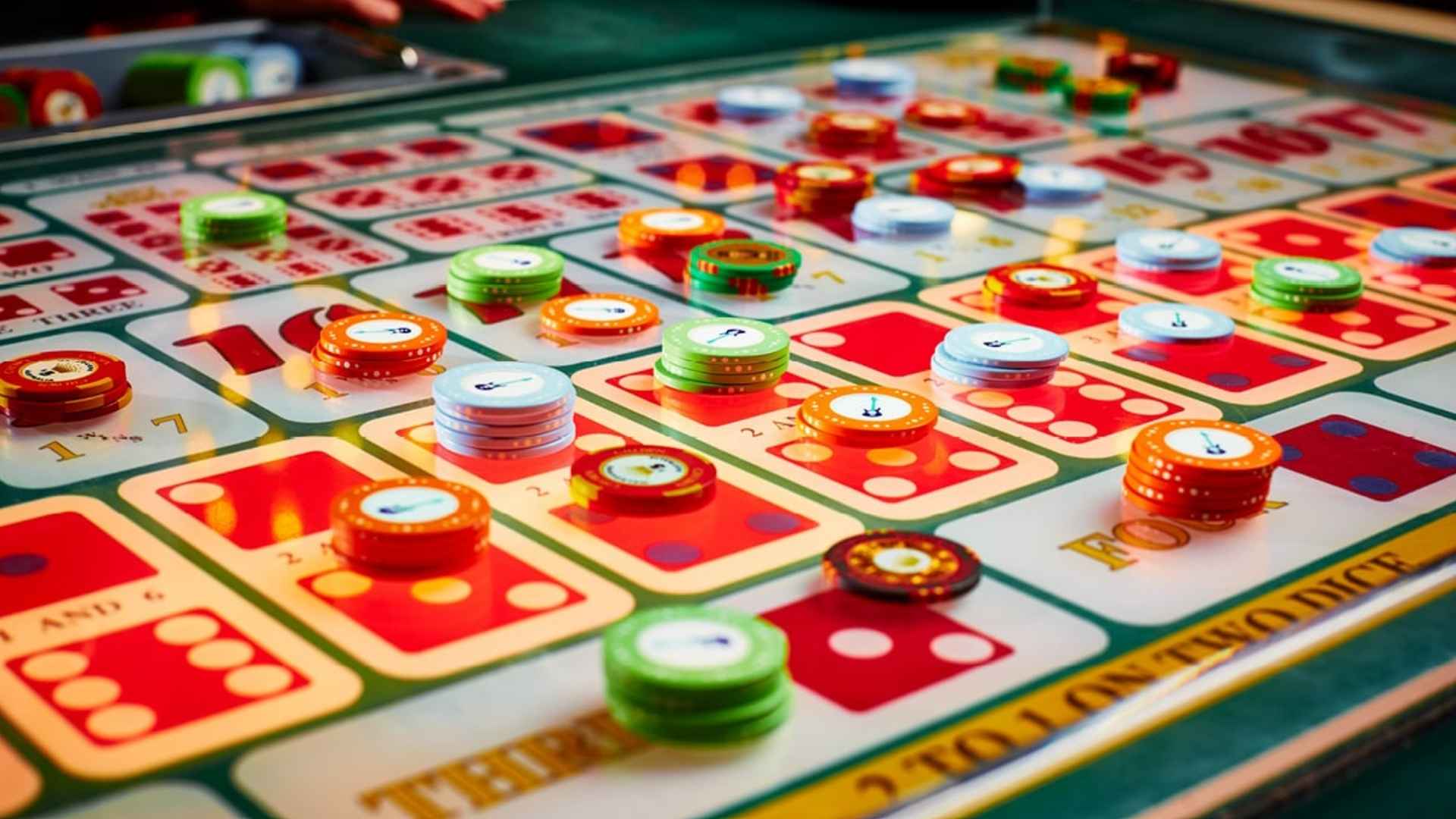
Long before complex algorithms and digital screens transformed how we play, circular mechanisms were already shaping human leisure and decision-making. The concept of spinning a wheel to select a random outcome is one of the oldest interactive concepts in history. By turning physical motion into visual anticipation, ancient societies discovered a universal formula for excitement that remains effective today.
Ancient Beginnings of Circular Chance
Historical records indicate that circular devices were adapted for chance and decision-making shortly after the wheel itself was invented. Early civilizations in Mesopotamia and Greece used rotating wooden discs and shield-like implements to divide resources or settle minor disputes fairly. Over time, these practical tools evolved into instruments of pure entertainment at public gatherings and seasonal festivals.
In medieval Europe, the philosophical concept of the Wheel of Fortune deeply influenced popular culture and public games. People gathered to watch rustic spinning apparatuses determine small prizes, symbolic tokens, or ceremonial roles. The visual nature of a turning circle made the concept accessible to everyone, regardless of literacy or status.
The Fairground and Carnival Revolution
During the nineteenth century, traveling carnivals and public fairs standardized the design of modern prize wheels. Craftsmen added mechanical pegs and flexible flappers to create the rhythmic clicking sound that defines the experience today. This acoustic element, combined with bright painted segments, turned simple chance into a thrilling spectator event.
As these attractions expanded, local organizers realized that spinning wheels kept crowds engaged longer than traditional card or dice games. The slow deceleration gave audiences time to celebrate near-misses and cheer for unlikely victories together. This era established the foundational mechanics that modern game developers still replicate.
Transition into the Digital Era
With the rise of computer software and the internet, physical wheels smoothly transitioned into virtual formats. Web developers recreated the familiar physics of deceleration through smooth animations, expanding their use into classrooms, virtual events, and online gaming. Users seeking modern interactive platforms often check the m88 login terbaru to access contemporary gaming experiences that build upon these classic mechanics.
Digitalization allowed for complete customization, enabling users to modify section sizes, colors, and potential outcomes with a few clicks. Despite these technological upgrades, the fundamental appeal remains identical to its historical predecessors. People still enjoy the simple sensation of surrendering control to an unbiased rotating pointer.
Why the Mechanism Endures Today
Psychologists note that spinning wheels capture human attention because they offer transparent probability alongside visual suspense. Unlike complex strategic challenges, anyone can understand a wheel within seconds of watching it turn. This instant accessibility makes it an ideal tool for breaking ice, making casual decisions, or adding flavor to everyday routines.
From ancient fairgrounds to modern smartphone applications, random wheels have proven remarkably resilient across centuries of cultural change. Their enduring popularity demonstrates that simple visual mechanics often create the most lasting forms of human entertainment.